
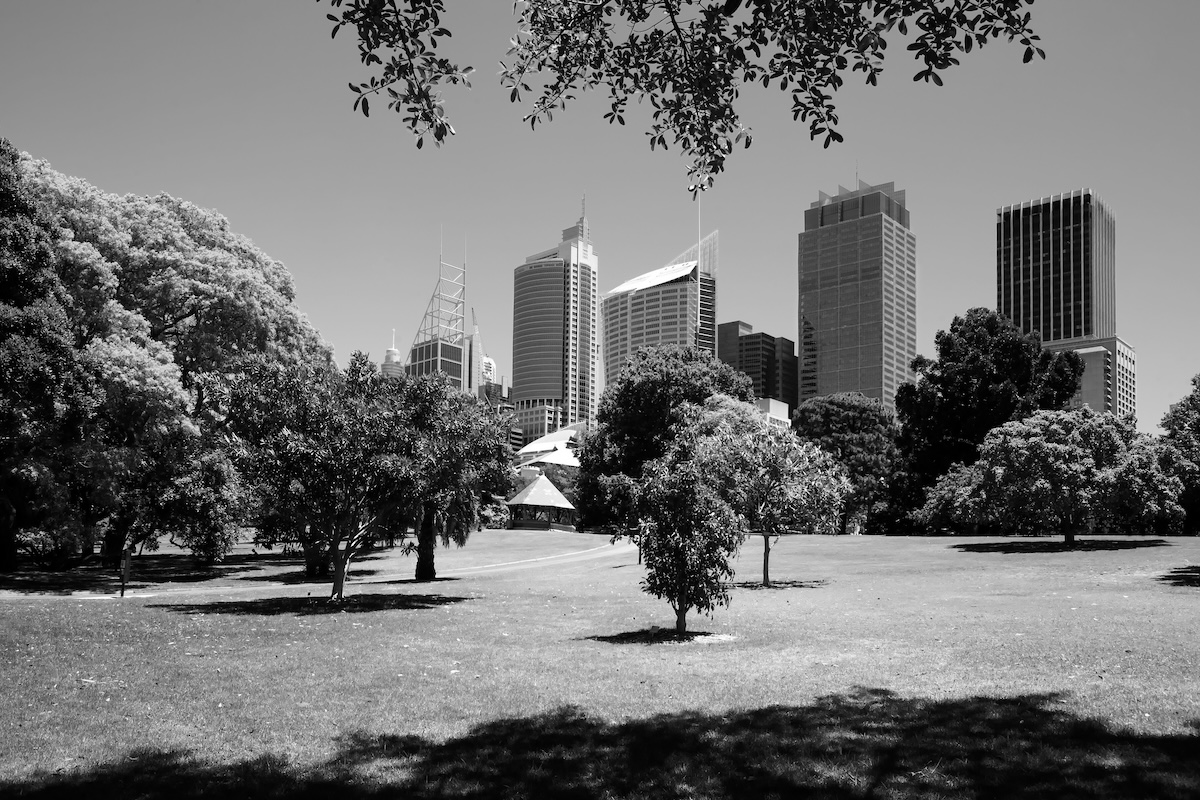
Australia is one of the strongest and most sophisticated economies in the Asia-Pacific region, with a mature B2B market and buyers used to evaluating proposals by international standards. Sydney concentrates the largest volume of investment and corporate headquarters, with a strong presence in fintech, artificial intelligence, and enterprise software, while Melbourne leads in software, creative industries, and digital health. With nearly 2.9 million active businesses and an ecosystem that gave rise to companies like Canva and Atlassian, the Australian buyer has consolidated budget and high standards. The shared language with the UK and the US, combined with its position as a bridge to Asia, makes Australia a strategic market for scaling international operations.
Significant time zone gap with LATAM that complicates outreach cadence and live meeting scheduling
Mature market with strong competition from local and Asian providers
Conservative decision cycles in regulated sectors such as finance, healthcare, and mining
Initial skepticism toward providers without local presence or a track record in the Australian market
Very different buyer profiles between Sydney (finance and tech) and Melbourne (software and creative)
Australia requires outreach sequences designed to overcome the time zone barrier, with send times and meeting slots carefully calculated to maximize decision-makers' real availability. Siete designs strategies that work for both Sydney's financial and tech ecosystem and Melbourne's software and creative market. For Latin American companies entering Australia, we also act as the first commercial team in the Asia-Pacific market, with knowledge of the time zone and cultural particularities that set this market apart from LATAM.

Yes, as long as the operation is designed around the time zone difference. Australia has sophisticated B2B buyers and high budgets, and remote work has already normalized asynchronous meetings across time zones. Siete structures outreach cadence and meeting scheduling around that gap, so distance isn't a real barrier in the sales process.
Sydney concentrates close to half of the country's venture capital investment and is the natural hub for fintech, artificial intelligence, and enterprise software, with more competitive sales cycles. Melbourne has a strong ecosystem in software, creative industries, and health, with somewhat more accessible decision-makers. A good Australia strategy usually combines both cities with messages adapted to each profile.
It's one of the best bases for operating in the region: it shares a language with the UK and the US, has a stable legal and financial system, and a geographic position that makes expanding into Southeast Asia easier. For Latin American companies, Australia works as international market validation before scaling into culturally more complex Asian economies.
SIE7E. Copyright © 2026. All rights reserved.